Revenge
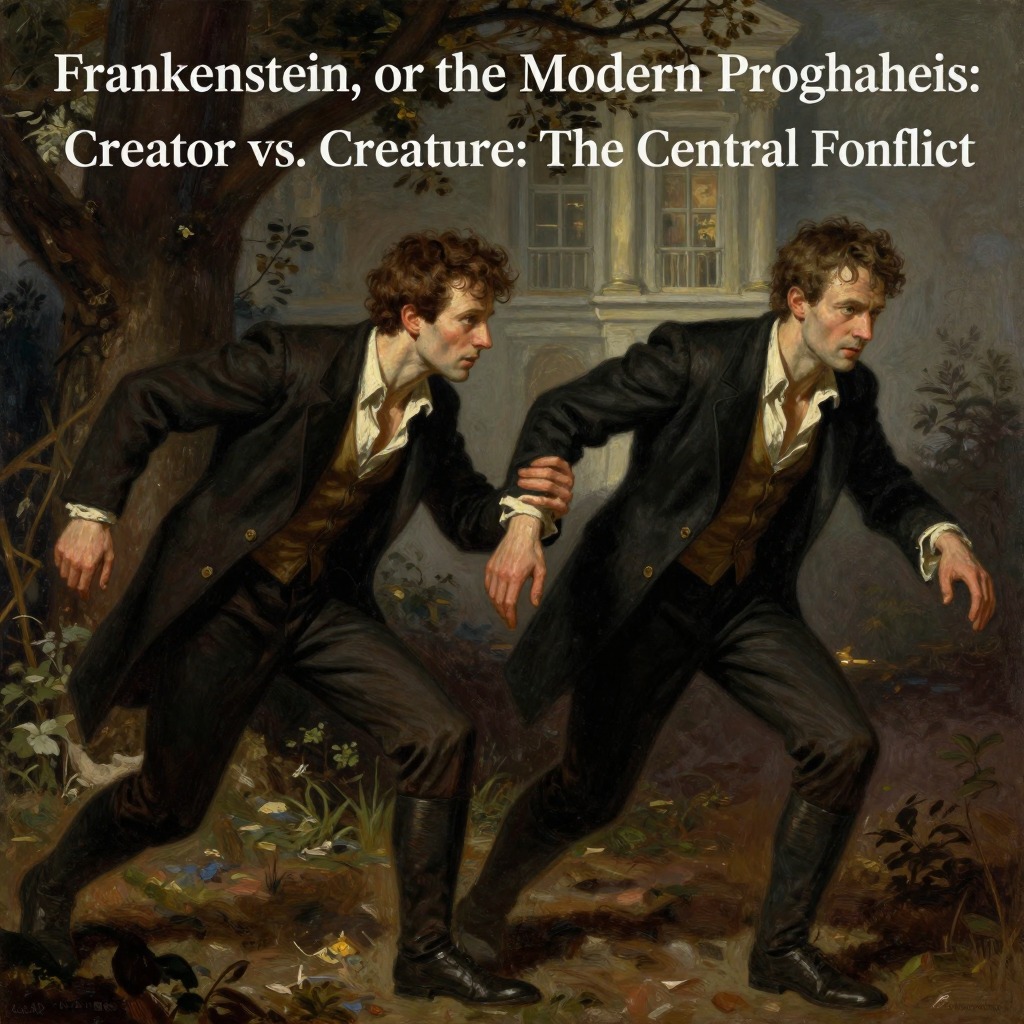
Revenge is the central, consuming force that drives both Victor Frankenstein and his creature through the second half of Mary Shelley's novel, transforming a story of scientific ambition into a relentless cycle of mutual destruction. It begins as a righteous response to murder and abandonment, but rapidly escalates into an all-consuming, self-justifying passion that overrides all other human feelings, ultimately leading to the annihilation of everyone Victor loves and his own death. The narrative presents revenge not as a satisfying resolution but as a tragic, inescapable trap that mirrors the creator and his creation in their shared misery.
Origins and the Creature's Justification
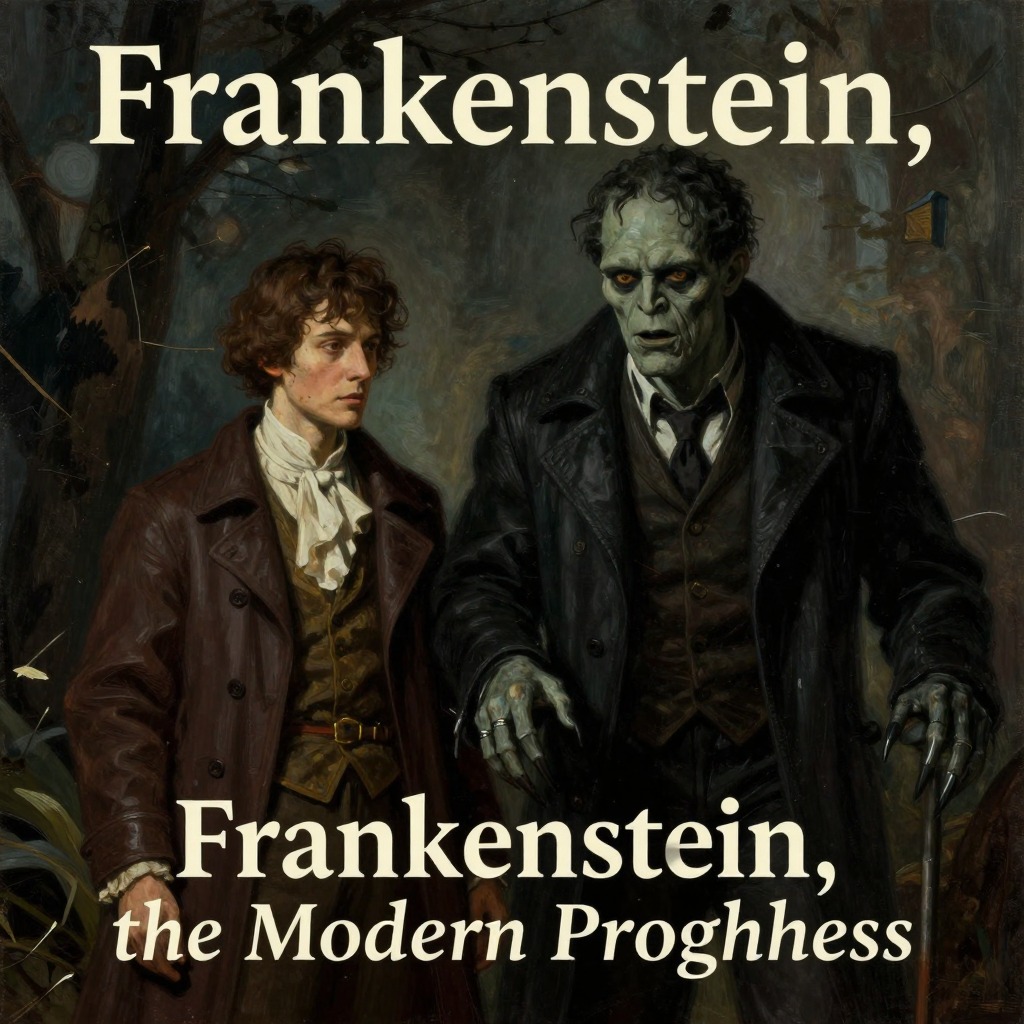
The creature's turn toward revenge is born directly from his experience of total rejection and misery. After his failed attempt to befriend the De Lacey family, which ended with Felix violently driving him away, the creature declares "everlasting war against the species, and more than all, against him who had formed me and sent me forth to this insupportable misery." He articulates his philosophy of revenge explicitly to Victor on the glacier: "I am malicious because I am miserable. Am I not shunned and hated by all mankind?" For the creature, revenge becomes a logical response to the injustice he has suffered. He argues that if he cannot inspire love, he will cause fear, and he swears "inextinguishable hatred" toward his creator. This reasoning is not merely spiteful; the creature presents it as a form of cosmic justice, claiming that Victor, as his creator, owes him happiness and that the denial of this debt justifies his campaign of terror.
Victor's Descent into Vengeance
Victor's own journey into revenge mirrors the creature's, though it begins from a position of guilt and horror rather than abandonment. After the deaths of William and Justine, Victor is consumed by a "hell of intense tortures" and a desire for vengeance that "burst all bounds of moderation." He imagines making a pilgrimage to the highest peak of the Andes just to precipitate the creature to his death. This passion becomes his sole reason for living after the murder of Elizabeth. In the cemetery where his family is buried, Victor swears a solemn oath "to pursue the daemon who caused this misery, until he or I shall perish in mortal conflict." From this point, revenge "alone endowed me with strength and composure; it moulded my feelings and allowed me to be calculating and calm." It is a force that both sustains and destroys him, keeping him alive through the Arctic wasteland while simultaneously consuming every other human feeling.
The Cycle of Mutual Destruction
The revenge plot operates as a perfect, tragic mirror between creator and creature. The creature explicitly frames his actions as a response to Victor's: "You, my creator, would tear me to pieces and triumph; remember that, and tell me why I should pity man more than he pities me?" Each act of vengeance by one side provokes an even greater act from the other. The creature murders William, then frames Justine; Victor destroys the female creature he had promised to create; the creature retaliates by murdering Clerval and then Elizabeth on Victor's wedding night. This cycle escalates until Victor's entire family is dead. Even in his final moments, Victor cannot let go of revenge, asking Walton to continue his pursuit: "swear to me, Walton, that he shall not escape, that you will seek him and satisfy my vengeance in his death." The creature, in turn, is driven by the same force, admitting that after Elizabeth's death, "evil thenceforth became my good."
The Futility and Self-Destruction of Revenge
Despite its intensity, revenge in the novel is ultimately portrayed as futile and self-destructive. It does not bring satisfaction or peace to either party. Victor's pursuit across the Arctic leaves him a broken, dying man, and the creature, far from triumphing, is left in a state of profound remorse and self-loathing. In his final appearance to Walton, the creature confesses that his revenge has brought him no relief: "For while I destroyed his hopes, I did not satisfy my own desires. They were forever ardent and craving; still I desired love and fellowship, and I was still spurned." He describes himself as a being whose heart was "fashioned to be susceptible of love and sympathy" but was "wrenched by misery to vice and hatred." The revenge he exacted only deepened his own isolation and misery. His final act is not a celebration of victory but a vow to die by his own hand, to "ascend my funeral pile triumphantly and exult in the agony of the torturing flames." This ending underscores the novel's central message: revenge is a poison that destroys the one who wields it as surely as it destroys its target.
Thematic Significance
Revenge in Frankenstein functions as the dark culmination of the novel's exploration of dangerous knowledge and creator's responsibility. Victor's initial ambition to transcend human limits leads directly to the creation of a being who, when rejected, becomes a vehicle for vengeance. The revenge plot thus serves as a moral and narrative consequence of Victor's original transgression. It also highlights the novel's critique of isolation and the failure of empathy. Both Victor and the creature are driven to revenge because they are unable to find connection or understanding with others. The creature's plea for a companion is denied, and Victor's refusal to acknowledge his responsibility creates the conditions for the cycle of violence. Revenge, in this reading, is not an inherent evil but a symptom of a deeper failure of human and ethical relationships. The novel ultimately suggests that the only escape from this cycle is death, a bleak conclusion that offers no redemption but only the cessation of suffering.